Sanjay Gandhi National Park: A Haven for Wildlife Enthusiasts
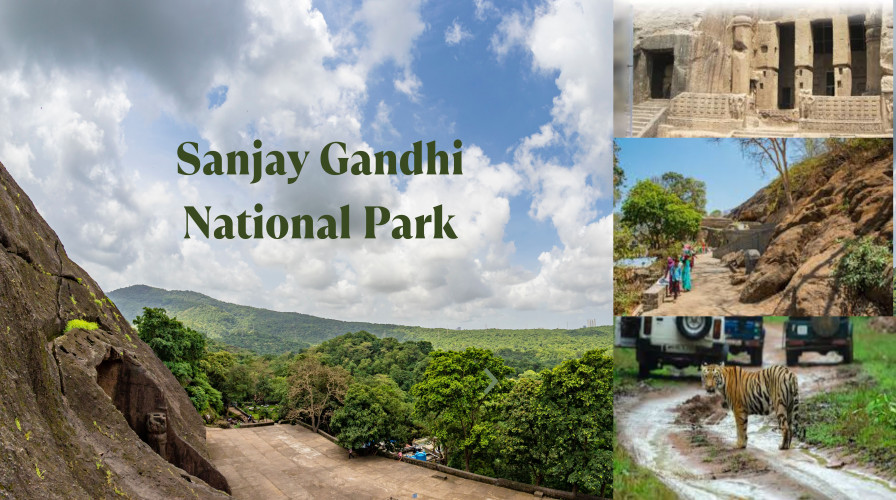
Nestled in the bustling city of Mumbai, Sanjay Gandhi National Park (SGNP) is a verdant oasis that offers a unique blend of natural beauty and urban convenience. Spanning over 104 square kilometres, this national park is a haven for wildlife enthusiasts, providing a sanctuary for a diverse array of flora and fauna. SGNP is not only a critical ecological asset but also a beloved recreational spot for city dwellers looking to escape the urban grind.
A Biodiversity Hotspot
Sanjay Gandhi National Park is home to a remarkable diversity of wildlife. The park boasts over 274 species of birds, 35 species of mammals, 170 species of butterflies, and a wide variety of reptiles, insects, and plants. Among the park’s most notable inhabitants are the leopards, which have adapted to living in close proximity to human settlements. Despite the challenges of urban encroachment, these majestic predators continue to thrive in SGNP, highlighting the park’s ecological significance.
Birdwatchers are in for a treat at SGNP, with species such as the White-bellied Sea Eagle, Golden Oriole, and Paradise Flycatcher frequently spotted. The park's diverse habitats, ranging from dense forests to open grasslands and wetlands, support this rich avian life.
Historical and Cultural Riches
SGNP is not just about wildlife; it also holds significant historical and cultural treasures. The Kanheri Caves, located within the park, are a group of ancient Buddhist rock-cut caves dating back to the 1st century BCE. These caves, adorned with intricate carvings and inscriptions, offer a fascinating glimpse into the region’s rich cultural heritage. Exploring the Kanheri Caves is like taking a journey back in time, providing a perfect complement to the natural beauty of the park.
Recreational Activities
For those seeking adventure, SGNP offers a variety of recreational activities. The park has numerous trails for hiking and trekking, catering to both beginners and experienced hikers. One of the popular trails leads to the highest point in the park, offering a panoramic view of the surrounding area, including the city skyline and the distant Arabian Sea.
Cycling enthusiasts can enjoy the park’s scenic cycling routes, while families can take a leisurely boat ride on the park’s serene lakes. The park also features a mini-train, the Van Rani, which provides a fun and informative tour of the park's main attractions.
Conservation and Education
Sanjay Gandhi National Park plays a crucial role in conservation and education. The park’s authorities work tirelessly to protect its wildlife and habitats from various threats, including poaching and habitat destruction. SGNP also conducts educational programs and workshops to raise awareness about the importance of conservation and the need to protect our natural heritage.
The park’s Nature Interpretation Centre offers informative exhibits on the park’s biodiversity, ecology, and conservation efforts. These educational initiatives are aimed at fostering a deeper understanding and appreciation of nature among visitors, especially children.
A Vital Green Lung for Mumbai
In addition to its ecological and recreational value, SGNP serves as a vital green lung for Mumbai. The park’s lush vegetation helps mitigate air pollution, provides a cooling effect, and supports groundwater recharge, making it an essential component of the city’s environmental health.
Conclusion
Sanjay Gandhi National Park is a true gem in the heart of Mumbai, offering an unparalleled experience for wildlife enthusiasts and nature lovers. Its rich biodiversity, historical significance, and recreational opportunities make it a unique and invaluable asset. Whether you’re a resident of Mumbai or a visitor to the city, a trip to SGNP promises a refreshing and enriching escape into nature.
As urbanization continues to encroach upon natural habitats, places like Sanjay Gandhi National Park remind us of the importance of preserving our natural spaces. They provide not only a refuge for wildlife but also a sanctuary for people seeking a connection with nature amidst the hustle and bustle of city life.
Related Tag :